Western Sydney wildlife day
Featherdale Wildlife Park: train, bus and access planner
Featherdale becomes a straightforward independent trip once the Blacktown-to-bus-729 transfer, outdoor conditions and any limited animal encounter are planned in advance.
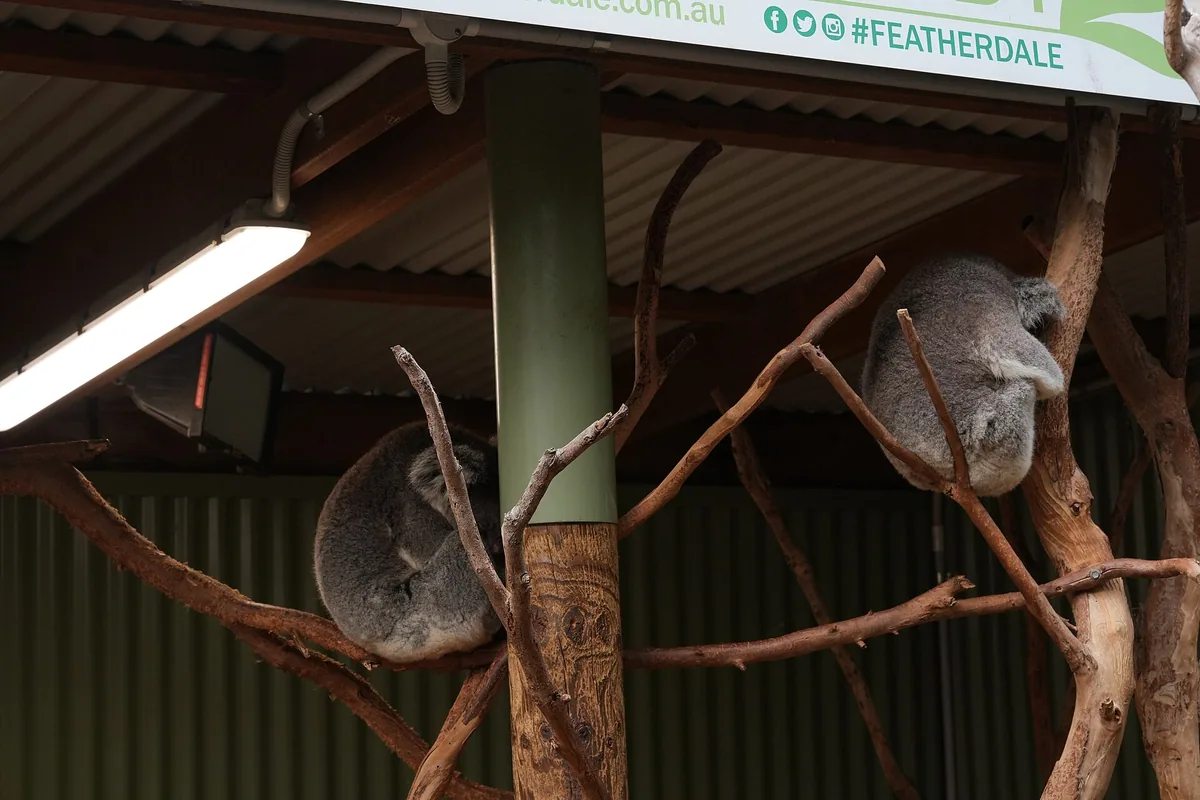

Featherdale is at 217 Kildare Road, Doonside, not in Sydney’s harbour core. The visit is easiest to understand as three parts: the rail journey to Blacktown, the bus 729 handoff, and an outdoor wildlife park where animal activity and encounters remain variable.
Plan the Blacktown transfer, not just the train
Featherdale’s official visitor page directs public-transport visitors to Blacktown Station, then bus 729 from stand E to the park. Check the live 729 route page and the complete journey in the Transport for NSW Trip Planner.
At Blacktown, allow time to leave the platform, find the correct stand and identify the service direction. For the return, verify which side of Kildare Road serves Blacktown before leaving the entrance. Save the next two useful bus departures; one missed connection should not jeopardise a fixed central-Sydney evening booking.
Admission and encounters are separate decisions
Ordinary entry provides the wildlife-park visit. Keeper tours and named close encounters are limited products with their own capacity, start time, age or participation rules and animal-welfare conditions. Check the current encounter list rather than assuming a promotional photograph is included with admission.
| Main goal | Practical plan |
|---|---|
| General Australian wildlife visit | Use general admission and review the day’s keeper schedule |
| One named animal encounter | Reserve that exact product and protect its check-in time |
| Visit with young children | Locate toilets, food, shade and a quiet break before chasing a species list |
| Mobility or sensory requirements | Read the current access guide and contact the park about the exact experience |
| Blue Mountains combination | Calculate every transfer and decide which stop is the genuine priority |
Animals may choose not to participate, and keepers may alter a program for welfare, veterinary or operational reasons. A useful plan identifies one or two priorities while leaving time to observe naturally.
What the accessibility guide establishes
Featherdale’s current Visitor Accessibility Guide describes circulation as predominantly flat and paved. It identifies accessible toilets, low-sensory areas, Companion Card arrangements and mobility equipment that can be reserved.
Assistance dogs require advance coordination because the site contains resident animals; the current guide requests registration at least 72 hours before arrival. Contact the park rather than assuming that a general public-space procedure applies unchanged inside each wildlife area.
An access statement for the main path does not establish that every encounter uses the same gate, platform or transfer. Ask about the named encounter if that is the reason for travelling.
Weather and a humane pace
Much of the visit is outdoors. Check the forecast and bring sun or rain protection appropriate to the day. In heat, protect rest and water stops; in heavy rain, decide whether the outdoor experience still meets the group’s needs before starting the western journey.
Follow keeper instructions, use only permitted food and do not cross barriers for a photograph. The animals’ choice and welfare take priority over a checklist. This is also why no page should promise a particular interaction or exact keeper program.
Should Featherdale share a day with the Blue Mountains?
Organised tours sometimes pair the two. That can suit a visitor who accepts a long, structured itinerary and limited time at each stop. For an independent traveller, Blacktown and Doonside are only part of the way west; upper-mountain sights require additional rail or road travel and local connections.
If native wildlife is the priority, give Featherdale the useful middle of the day and protect the return. If scenery and walking are the priority, use a dedicated Blue Mountains day plan and avoid reducing both places to a rushed photograph.
Addresses and meeting points
Put the activity on the map
Use these points for orientation. Your dated ticket or operator confirmation takes priority if it names a different entrance, wharf or meeting point.
Featherdale Sydney Wildlife Park
217 Kildare RoadNSW 2767 DoonsideAustraliaGPS: -33.766378, 150.884261Bus 729 stops by the Kildare Road entrance; check the correct side for the return.
Blacktown Station bus stand E
Main StreetNSW 2148 BlacktownAustraliaThe park's current public-transport directions use route 729 from this interchange.